This telehealth FAQ answers the most common questions about virtual visits at Client Centered Care. If your question is not covered in this telehealth FAQ, contact us or request an appointment and your provider will help. You can also browse our telehealth services.

Telehealth FAQ and Policy Resources
What is telehealth?
Telehealth refers to the use of telecommunications technology to provide healthcare services remotely. It includes virtual consultations, remote monitoring, and other forms of digital healthcare delivery. You can read more at Telehealth.HHS.gov.
How does telehealth work?
Telehealth typically involves video or phone consultations between patients and healthcare providers. Patients can connect with their providers through secure platforms, where they discuss symptoms, receive diagnoses, and develop treatment plans.
What equipment do I need for a telehealth appointment?
Patients typically need a device with a camera and microphone, such as a smartphone, tablet, or computer, and a stable internet connection. Specific requirements may vary depending on the telehealth platform used by the healthcare provider.
Can prescriptions be provided through telehealth?
Yes. If your provider believes medication is appropriate, she can send a prescription directly to the pharmacy of your choice. We do not prescribe controlled substances, and certain other medications may not be available through telehealth.
How do I schedule a telehealth appointment?
You can request an appointment on this website at any time of day. Choose a service, tell us why you need a visit, and share your phone number and email. Your provider will review your request and reply at her earliest convenience to confirm a time.
Does insurance cover telehealth visits?
Client Centered Care is currently cash-based and does not bill insurance, but we are working toward accepting it. No insurance is required for virtual care.
Where are you available?
Telehealth visits are currently available to patients who are physically located in Arizona, Florida, or New Mexico at the time of the visit. We do not offer in-person visits at this time. Telehealth is for non-urgent care only. In an emergency, call 911 or go to your nearest emergency department.
Are there limitations to telehealth appointments?
While telehealth is effective for many types of medical visits, there are limitations. Physical examinations, certain diagnostic tests that require in-person interactions, and emergencies requiring immediate hands-on care may require traditional in-person visits.
Use this telehealth FAQ as a starting point. This telehealth FAQ covers general questions, and your provider can answer anything specific to your health during your visit.
Did this telehealth FAQ help? If you still have questions after reading the telehealth FAQ, contact us or request an appointment. We update the telehealth FAQ as we add services and states.
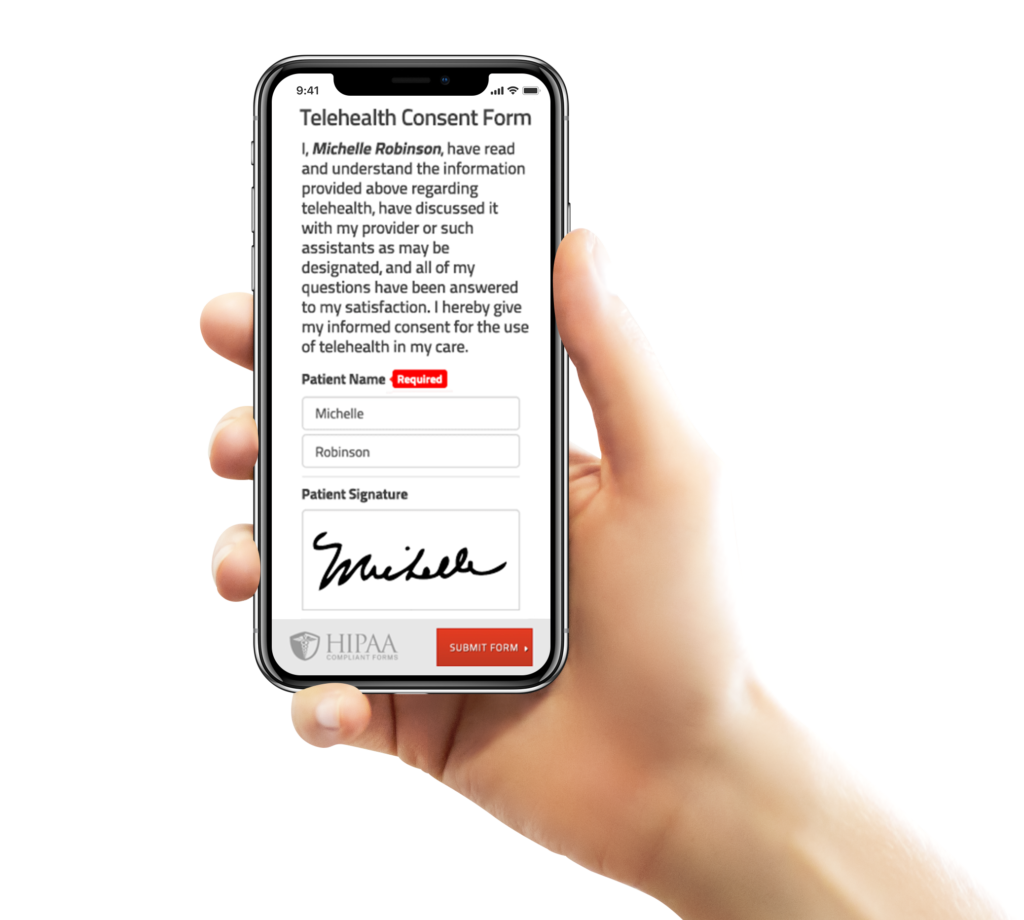
Telemedicine Consent and Confidentiality Notice
We cannot guarantee the confidentiality of any electronic communication, including text messages, phone calls, emails, faxes, and internet-based communication. Telemedicine refers to the use of technology to provide medical services remotely, and these forms of communication fall under that definition. By using telemedicine services through Client Centered Care, you acknowledge and understand the following:
While telehealth offers many benefits, there are potential risks, including but not limited to:
- In some cases, transmitted information (e.g., low-quality images or audio) may be insufficient for accurate medical decision-making.
- Technical issues, such as equipment malfunctions or connectivity problems, may cause delays in evaluation and treatment.
- Although security measures are in place, rare breaches of personal health information could occur.
- Limited access to full medical records may increase the risk of medication interactions, allergic reactions, or other judgment errors.
Voluntary Participation: Telemedicine services are optional, and you have the right to withhold or withdraw your consent at any time. However, since Client Centered Care is exclusively a telemedicine practice, withdrawing consent means we will no longer be able to provide care.
Privacy and Data Security: We are committed to protecting your health information as we would in a traditional medical practice. However, while we take necessary precautions, data breaches can occur, and we cannot guarantee absolute security. We will not use your health information for research without your explicit consent.
Benefits, Risks, and Limitations: Telemedicine offers advantages such as improved access to care, cost savings, enhanced visit quality, and reduced travel time. However, it also has limitations. Providers rely on visual and auditory information, which may not always be sufficient for complete diagnostic assessments. Unlike in-person visits, telemedicine does not allow providers to evaluate physical factors such as gait, smell, or overall appearance, potentially leading to missed clinical details.
By proceeding with treatment, you acknowledge and accept these policies and confirm receipt of the Privacy Notice.